

Navigating Airspace: A Beginner's Guide to Flight Training
- Kyle Mason

- Jul 12, 2025
- 5 min read
Flying is a dream for many people. The thrill of soaring through the clouds, the freedom of the open sky, and the sense of adventure are just a few reasons why flight training is so appealing. However, for beginners, the world of aviation can seem overwhelming. This guide aims to simplify the process of flight training and help you navigate the airspace with confidence.
Flight training is not just about learning to operate an aircraft. It involves understanding the rules of the sky, mastering navigation, and developing the skills needed to ensure safety. Whether you want to fly for fun or pursue a career in aviation, this guide will provide you with the essential information to get started.
Understanding the Basics of Flight Training
Before you take to the skies, it is important to understand the basics of flight training. This includes knowing the different types of pilot licenses, the training process, and what to expect during your lessons.
Types of Pilot Licenses
There are several types of pilot licenses, each with its own requirements and privileges. Here are the most common ones:
Private Pilot License (PPL): This is the most popular license for recreational flying. It allows you to fly for personal use but not for compensation.
Commercial Pilot License (CPL): This license allows you to be paid for flying. It requires more training and experience than a PPL.
Airline Transport Pilot License (ATPL): This is the highest level of pilot certification. It is required for pilots who want to work for airlines.
The Training Process
Flight training typically involves both ground school and flight lessons. Ground school covers the theoretical aspects of flying, including:
Aerodynamics
Navigation
Weather
Regulations
Flight lessons provide hands-on experience in the cockpit. You will learn how to operate the aircraft, perform maneuvers, and handle emergencies.
What to Expect During Your Lessons
During your flight training, you will work closely with a certified flight instructor (CFI). Your instructor will guide you through each lesson, providing feedback and support. Here are some key aspects of your training:
Pre-flight Briefing: Before each flight, you will discuss the lesson objectives and review the flight plan.
Flight Maneuvers: You will practice various maneuvers, such as takeoffs, landings, and turns.
Post-flight Debriefing: After each flight, you will review your performance with your instructor and discuss areas for improvement.
Navigating Airspace: The Rules and Regulations
Understanding airspace is crucial for any pilot. The sky is divided into different classes of airspace, each with its own rules and requirements. Here is a brief overview of the main classes:
Class A Airspace
Altitude: Above 18,000 feet
Requirements: Must be equipped with a transponder and operate under Instrument Flight Rules (IFR).
Class B Airspace
Altitude: Surrounds major airports, typically from the surface to 10,000 feet.
Requirements: Must have clearance from air traffic control (ATC) to enter.
Class C Airspace
Altitude: Surrounds airports with a control tower, typically from the surface to 4,000 feet.
Requirements: Must establish two-way communication with ATC before entering.
Class D Airspace
Altitude: Surrounds smaller airports with a control tower, typically from the surface to 2,500 feet.
Requirements: Must establish two-way communication with ATC.
Class E Airspace
Altitude: Generally starts at 1,200 feet and extends up to 18,000 feet.
Requirements: VFR (Visual Flight Rules) pilots do not need ATC clearance to enter.
Class G Airspace
Altitude: Uncontrolled airspace, typically below 1,200 feet.
Requirements: No ATC clearance is required.
Understanding these classes of airspace is essential for safe flying. Each class has specific rules that must be followed to ensure the safety of all aircraft.
Essential Skills for Flight Training
As you embark on your flight training journey, there are several essential skills you will need to develop. These skills will not only help you become a competent pilot but also ensure the safety of your passengers and aircraft.
Communication Skills
Effective communication is vital in aviation. You will need to communicate clearly with your instructor, air traffic control, and other pilots. This includes using standard aviation terminology and understanding radio procedures.
Situational Awareness
Situational awareness refers to your ability to perceive and understand what is happening around you. This skill is crucial for making informed decisions during flight. You will need to be aware of other aircraft, weather conditions, and your own aircraft's performance.
Decision-Making Skills
As a pilot, you will often need to make quick decisions. This could involve responding to changing weather conditions, navigating around obstacles, or handling emergencies. Developing strong decision-making skills will help you stay calm and focused in challenging situations.
Technical Skills
You will need to develop technical skills related to operating the aircraft. This includes understanding the aircraft's systems, performing pre-flight checks, and executing maneuvers. Regular practice will help you build confidence and proficiency.
The Importance of Safety in Flight Training
Safety is the top priority in aviation. As a student pilot, you will learn about various safety protocols and procedures. Here are some key safety practices to keep in mind:
Pre-Flight Checks
Before every flight, you should conduct a thorough pre-flight inspection of the aircraft. This includes checking the fuel levels, control surfaces, and instruments. Ensuring the aircraft is in good condition is essential for a safe flight.
Emergency Procedures
You will learn how to handle emergencies during your training. This includes engine failures, navigation issues, and adverse weather conditions. Knowing how to respond to these situations can save lives.
Continuous Learning
Aviation is an ever-evolving field. As a pilot, you should commit to continuous learning. This includes staying updated on regulations, new technologies, and best practices in aviation safety.
Choosing the Right Flight School
Selecting the right flight school is a crucial step in your flight training journey. Here are some factors to consider when making your choice:
Reputation
Research the reputation of the flight school. Look for reviews and testimonials from former students. A school with a strong track record of safety and successful graduates is a good choice.
Instructors
The quality of the instructors can greatly impact your training experience. Look for schools with experienced and certified flight instructors. You should feel comfortable and supported during your lessons.
Aircraft Fleet
Check the condition and variety of aircraft available at the school. A well-maintained fleet with different types of aircraft can enhance your training experience.
Location
Consider the location of the flight school. A school located near a busy airport may provide more opportunities for real-world flying experience, while a school in a quieter area may offer a more relaxed training environment.
The Path to Becoming a Pilot
Becoming a pilot is a rewarding journey that requires dedication and hard work. Here is a general outline of the steps you will take to earn your pilot license:
Choose a Flight School: Research and select a flight school that meets your needs.
Complete Ground School: Attend ground school to learn the theoretical aspects of flying.
Begin Flight Lessons: Start your flight training with a certified instructor.
Log Flight Hours: Accumulate the required flight hours for your chosen license.
Pass the Written Exam: Take and pass the FAA written exam for your pilot license.
Pass the Checkride: Complete a practical test with an FAA examiner to demonstrate your flying skills.
Obtain Your License: Once you pass the checkride, you will receive your pilot license.
Embracing the Adventure of Flight Training
Flight training is not just about learning to fly; it is about embracing the adventure and the freedom that comes with it. As you progress through your training, you will experience the joy of flying and the satisfaction of mastering new skills.
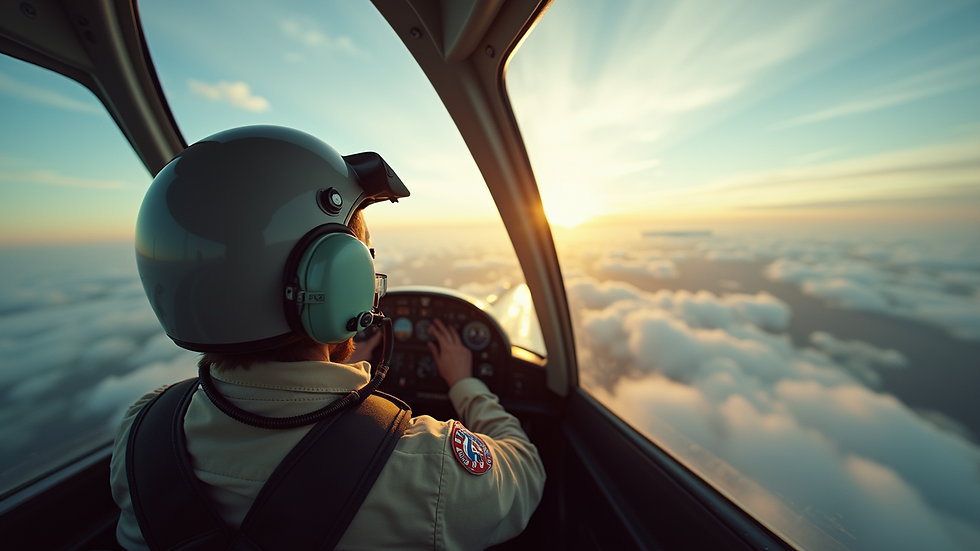
Remember, every pilot started as a beginner. With dedication, practice, and a passion for flying, you can achieve your dream of becoming a pilot.
As you navigate the skies, you will not only gain valuable skills but also create lasting memories and friendships along the way. So buckle up, take a deep breath, and get ready for the adventure of a lifetime. The sky is waiting for you!

Comments