

Mastering Flight Basics: Essential Skills for New Pilots
- Kyle Mason

- Jul 12, 2025
- 5 min read
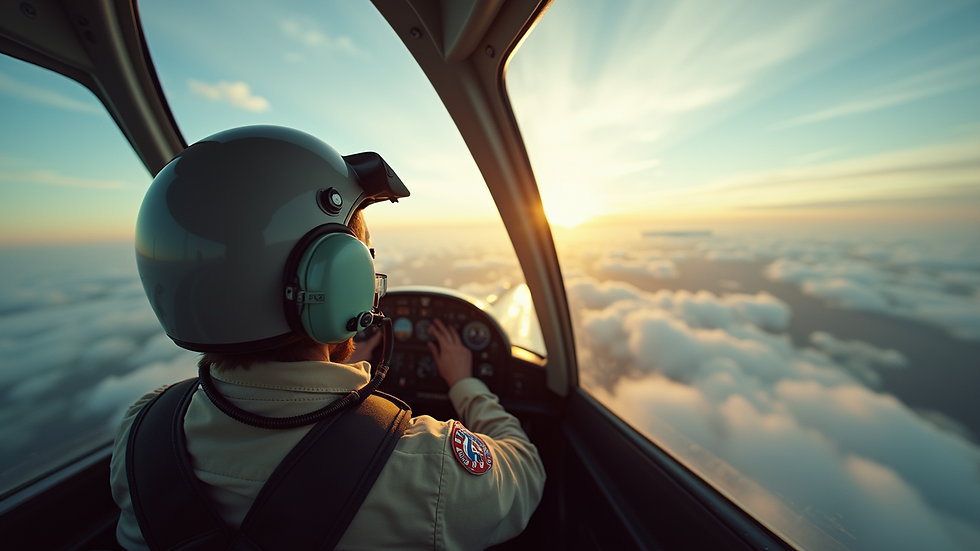
Flying an aircraft is one of the most exhilarating experiences one can have. The thrill of taking off, soaring through the clouds, and landing safely is unmatched. However, before you can enjoy these moments, you need to master the basics of flight. This blog post will guide you through essential skills that every new pilot should develop.
Flying is not just about controlling the aircraft; it is about understanding how it works, how to respond to different situations, and how to ensure safety at all times. Whether you are a student pilot or someone considering taking flight lessons, this guide will provide you with the foundational skills you need to succeed.
Understanding Aircraft Controls
Before you can take to the skies, you must familiarize yourself with the aircraft's controls. Each aircraft has a unique layout, but most share common elements. Here are the primary controls you will encounter:
Yoke or Control Stick: This is used to control the aircraft's pitch and roll. Pulling back raises the nose, while pushing forward lowers it. Turning the yoke left or right will roll the aircraft in that direction.
Throttle: This controls the engine power. Pushing the throttle forward increases speed, while pulling it back decreases speed.
Rudder Pedals: These are used to control the aircraft's yaw. Pressing the left pedal turns the nose left, while the right pedal turns it right.
Flaps: These are used to increase lift during takeoff and landing. Extending the flaps allows for slower flight speeds.
Understanding these controls is crucial for safe flying. Spend time in a simulator or with an instructor to get comfortable with them.
Pre-Flight Checks
Before every flight, pilots must conduct a thorough pre-flight check. This ensures that the aircraft is safe and ready for takeoff. Here are the key steps to follow:
Exterior Inspection: Walk around the aircraft and check for any visible damage, leaks, or obstructions. Look at the wings, tail, and landing gear.
Fuel Check: Ensure that there is enough fuel for the flight. Check for any contamination in the fuel.
Control Surfaces: Make sure that all control surfaces move freely and are not obstructed.
Instruments: Verify that all instruments are functioning correctly. This includes the altimeter, airspeed indicator, and navigation systems.
Safety Equipment: Check that all safety equipment, such as fire extinguishers and first aid kits, are on board and accessible.
Performing these checks is not just a formality; it is a critical step in ensuring a safe flight.
Basic Flight Maneuvers
Once you are in the air, you will need to perform various maneuvers. Here are some basic ones every new pilot should practice:
Straight and Level Flight: This is the foundation of flying. Maintain a constant altitude and heading. Use small adjustments to keep the aircraft stable.
Turns: Practice making smooth turns. Use the yoke to bank the aircraft and apply rudder to maintain coordination.
Climbs and Descents: Learn how to climb and descend at a controlled rate. Use the throttle and pitch to manage your altitude.
Stalls: Understanding stalls is crucial for safety. Practice recognizing the signs of an impending stall and how to recover from one.
These maneuvers will help you gain confidence and control in the cockpit.
Navigation Skills
As a pilot, you must know how to navigate from one point to another. Here are some essential navigation skills:
Reading Charts: Familiarize yourself with sectional charts and aeronautical maps. Understand symbols, airspace classifications, and navigation aids.
Using GPS: Modern aircraft often come equipped with GPS systems. Learn how to use these tools effectively for navigation.
Dead Reckoning: This is a method of navigation that involves calculating your position based on speed, time, and direction. It is essential for flying in areas without GPS coverage.
Communication: Learn how to communicate with air traffic control. Use standard phraseology and listen carefully to instructions.
Navigation is a skill that improves with practice. Spend time studying charts and flying with an instructor to build your confidence.
Emergency Procedures
Every pilot must be prepared for emergencies. Knowing how to respond can save lives. Here are some common emergency procedures:
Engine Failure: If the engine fails, maintain control of the aircraft and glide to a safe landing area. Follow the emergency checklist for your specific aircraft.
Electrical Failure: If you experience an electrical failure, check your instruments and communicate with air traffic control. Use backup systems if available.
Weather Issues: Be aware of changing weather conditions. If you encounter turbulence or storms, know how to navigate safely.
Medical Emergencies: If a passenger becomes ill, assess the situation and communicate with air traffic control for assistance.
Practicing these procedures in a controlled environment will prepare you for real-life situations.
Building Situational Awareness
Situational awareness is the ability to understand what is happening around you. It is crucial for safe flying. Here are some tips to improve your situational awareness:
Scan the Environment: Regularly look outside the cockpit to monitor other aircraft, weather conditions, and terrain.
Use Instruments: Keep an eye on your instruments to understand your aircraft's performance and position.
Stay Informed: Listen to air traffic control and stay updated on weather reports and NOTAMs (Notices to Airmen).
Practice Decision-Making: Regularly assess your options and make decisions based on the information available.
Improving your situational awareness will make you a safer and more effective pilot.
Continuous Learning and Practice
Flying is a skill that requires continuous learning and practice. Here are some ways to keep improving:
Flight Lessons: Regularly schedule lessons with a certified instructor. They can provide valuable feedback and help you refine your skills.
Simulators: Use flight simulators to practice maneuvers and emergency procedures. This is a safe way to gain experience.
Join a Flying Club: Being part of a flying community can provide support and resources. You can learn from experienced pilots and share experiences.
Stay Updated: Read aviation magazines, attend seminars, and participate in online forums. Staying informed about industry trends and safety practices is essential.
The more you practice and learn, the more confident you will become in your flying abilities.
The Joy of Flying
Mastering the basics of flight is just the beginning. Once you have developed these essential skills, you can truly enjoy the freedom of flying. The joy of soaring through the skies, exploring new places, and experiencing the world from above is unparalleled.
Flying is not just a hobby; it is a passion that can lead to lifelong adventures. Whether you want to fly for fun, travel, or even pursue a career in aviation, the skills you develop as a new pilot will serve you well.

As you embark on your journey to becoming a skilled pilot, remember that every flight is an opportunity to learn and grow. Embrace the challenges, celebrate your successes, and always prioritize safety.
With dedication and practice, you will master the art of flying and unlock a world of possibilities. So, strap in, take a deep breath, and get ready for the adventure of a lifetime. Happy flying!

Comments